The thought of duct cleaning can sometimes feel like opening Pandora's Box—you know it's necessary, but the cost can feel nebulous, leaving you wondering, "How much is this going to cost?" Like any home improvement service, the price for duct cleaning in Sydney is rarely a simple flat rate. It’s a complex equation influenced by variables ranging from the size of your home to the historical dust bunnies trapped within your ventilation system. If you're planning to tackle air quality improvements, understanding how to estimate the cost of Sydney duct cleaning is your best first step. This guide will demystify the process, breaking down the factors that make up the final quote so you can walk into a consultation feeling informed and empowered, rather than confused and worried.
Understanding the Variables That Influence Pricing
Before you can estimate a cost, you have to understand that pricing is not based solely on the number of ducts. It's a holistic calculation that considers the scope of work, the difficulty of access, and the quality of the equipment required. Think of the cost estimate as a recipe: every ingredient—from the type of ductwork to the level of grime—contributes to the final flavor, or in this case, the final price tag.
System Size and Complexity
The most immediate factor is, of course, the size and layout of your home. A sprawling, multi-story home with complex HVAC routing will cost significantly more than a compact apartment unit.
- Number of Ducts: The sheer count of vents and duct runs is a primary metric. Accessibility: Are the ducts easily accessible in the attic or basement, or do they require dismantling walls or complex maneuvering? The harder the job, the higher the labor cost. System Type: Modern, integrated systems might require specialized cleaning methods that older, simpler systems do not.
Contaminant Levels and Scope of Work
The "dirtiness" of your ducts is perhaps the most variable factor. While a superficial cleaning might be sufficient for a move-in clean, a home that has endured years of pet ownership, cooking fumes, or outdoor pollutants will require a deep, intensive cleaning.
- Industrial vs. Residential: Residential cleaning is standard, but if the system is connected to a commercial air filtration unit, the scope and cost change dramatically. Mold and Mildew: If the cleaning crew detects significant biological contaminants (mold, mildew), the treatment required moves beyond simple vacuuming and involves specialized sanitization, adding cost.
Equipment and Service Inclusions
A professional service doesn't just vacuum; they employ a specialized arsenal of tools. Knowing what's included helps you avoid unexpected fees.
- Negative Air Pressure Equipment: High-end services use equipment that maintains negative pressure, ensuring that dust particles are contained and don't simply float out into your living spaces. This is a critical indicator of professionalism. Deodorizing Treatments: Many companies offer advanced antimicrobial or deodorizing treatments post-cleaning. While beneficial, these are often add-ons that affect the final cost.
Preparing for Your Estimate: What to Gather Before Calling
To prevent sticker shock and ensure your estimate is accurate, you need to become your own investigative journalist before calling a professional. Think of this preparation phase as gathering your intel. The more information you provide upfront, the less likely the service provider is to surprise you with a huge bill.
Documentation and Visual Inspection
If possible, take photos or videos of the visible ductwork, the vents, and the areas where the ducts are located (attics, crawl spaces). This provides a visual baseline for the estimator.
Furthermore, consider noting any historical issues. Did you recently move in? Is there a pet that sheds heavily? Are you experiencing unusual musty smells? These details paint a picture of the need for cleaning, which is just as important as the size of the ducts.
Understanding the Difference Between Cleaning and Repair
A common misunderstanding is assuming that duct cleaning is the same as duct repair. They are not interchangeable. Cleaning removes debris; repair fixes tears, rust, or leaks. A reputable company will always assess both needs, and understanding this boundary is key to budgeting accurately.
“When it comes to air quality, you can’t afford to treat the symptom without addressing the root cause,” advises one HVAC expert. This quote perfectly encapsulates why a thorough assessment is vital.
Decoding the Estimate: What to Expect from a Quote
When a professional finally provides you with a quote on how to estimate the cost of Sydney duct cleaning, do not accept the number without asking follow-up questions. A comprehensive quote should be broken down into clear line items.
Line Item Checklist
A reliable quote should itemize the following:
- Labor Hours: How many hours are allocated for the physical cleaning process? Equipment Rental/Usage: Is the high-powered vacuum and specialized machinery cost included? Material Costs: Are cleaning agents, sanitizers, or deodorizers listed separately? Disposal Fees: Some companies charge for the proper disposal of the collected debris.
If the quote is just a single, massive number, politely ask them to itemize it. This shows you are a savvy consumer and forces them to justify every penny.
Beyond the Price Tag: Value Assessment
When comparing multiple quotes, remember that the lowest price is not always the best value. A dramatically low quote might mean they are skimping on essential equipment, such as negative air pressure containment. Are they treating your home like a delicate museum piece, or just a pile of dusty metal?
If the estimate feels like throwing money into a black hole, perhaps it's time to consult a second opinion. Remember, you are investing in the health and comfort of your home, not just a service.
Optimizing Your Investment in Air Quality
The ultimate goal of understanding how to estimate the cost of Sydney duct cleaning is to ensure you are making a smart, informed investment. After the cleaning is done, what should you do to maintain that pristine air quality?
Maintenance and Prevention
Air quality is not a one-time fix; it’s a continuous commitment. To keep your ducts running like a well-oiled machine, consider these preventative steps:
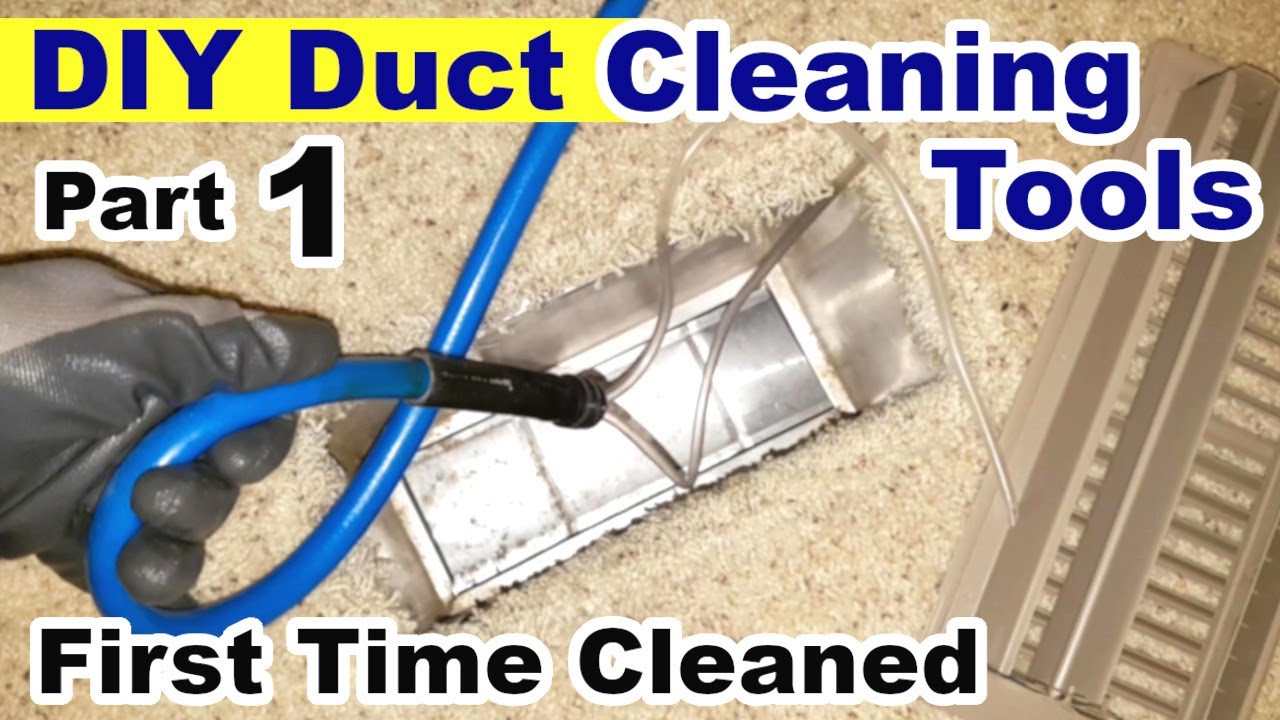

- Filter Replacement: Change your HVAC filters according to the manufacturer's schedule (usually every 1-3 months). This is the single most effective DIY step. Annual Professional Checks: Schedule a professional duct inspection and cleaning every 3–5 years, depending on your environment and lifestyle. Minimize Humidity: Proper home humidity control prevents the breeding ground for mold and mildew.
Understanding these factors means you are no longer just buying a service; you Click here are buying a long-term air quality management plan.
By approaching the estimate with knowledge, asking detailed questions, and comparing line items rather than just comparing total numbers, you gain a significant advantage. Taking the time to understand the variables means you are armed with the power of knowledge, making your selection count and ensuring your home breathes easier for years to come.