If your rangehood looks less like a modern kitchen appliance and more like a greasy archaeological dig, you are not alone. Cooking, especially when involving sautéing onions or deep-frying, is a wonderful thing—until the resulting grime builds up. This stubborn, sticky film of cooking residue can be more than just an eyesore; it can impact the efficiency of your ventilation system and, frankly, make your kitchen smell vaguely of burnt butter and regret. Dealing with this greasy buildup can feel like trying to scrape dried sap off a redwood, but don't worry. With the right knowledge, tools, and a little elbow grease (and maybe a dash of humor), you can conquer this kitchen menace and restore your rangehood to its former glory.
We are going to dive deep into the science of kitchen grime, explore the best methods—from simple household hacks to professional solutions—and ensure that by the end of this guide, you feel empowered enough to tackle that grimy filter with confidence.
Understanding the Enemy: What Is Grease Buildup?
Before we can defeat the grime, we need to understand what we are fighting. Grease buildup isn't just oil; it's a complex emulsion of polymerized fats, particulate matter (dust, flour, etc.), and carbonized sugars that have bonded to the metal surfaces of your appliance. Over time, these components create a hard, lacquer-like coating.
Why Is Grease Buildup So Stubborn?
The stickiness of the buildup is due to oxidation and polymerization. When fats are exposed to heat and air, they undergo chemical changes, essentially solidifying into a sludge that bonds tightly to the metal. It's like a culinary time capsule, trapping every whiff of your Thanksgiving dinner.
Furthermore, many rangehoods are designed to look sleek, which often means that the buildup gets into the crevices, vents, and filters—the areas that are hardest to reach. This is where the job of knowing how to remove stubborn grease buildup from rangehood becomes crucial.
The Hidden Dangers of Neglect
Ignoring the problem has consequences. Beyond aesthetics, heavy grease buildup can:
- Reduce Efficiency: A clogged filter struggles to pull air, making your rangehood less effective at removing smoke and odors. Fire Hazard: In extreme cases, highly accumulated grease can become flammable, posing a genuine safety risk. Poor Air Quality: It means the air you are breathing in your kitchen isn't getting the fresh, clean treatment it deserves.
Chemical Warfare: The Best Cleaning Solutions and Techniques
When tackling a buildup this formidable, a multi-pronged approach is best. We need to address the grease from multiple angles: chemical breakdown, physical scrubbing, and mechanical cleaning.
Deep Dive into Household Remedies
Do you need to buy expensive, specialized cleaners? Not necessarily. Many of the most powerful degreasers are found right in your pantry.
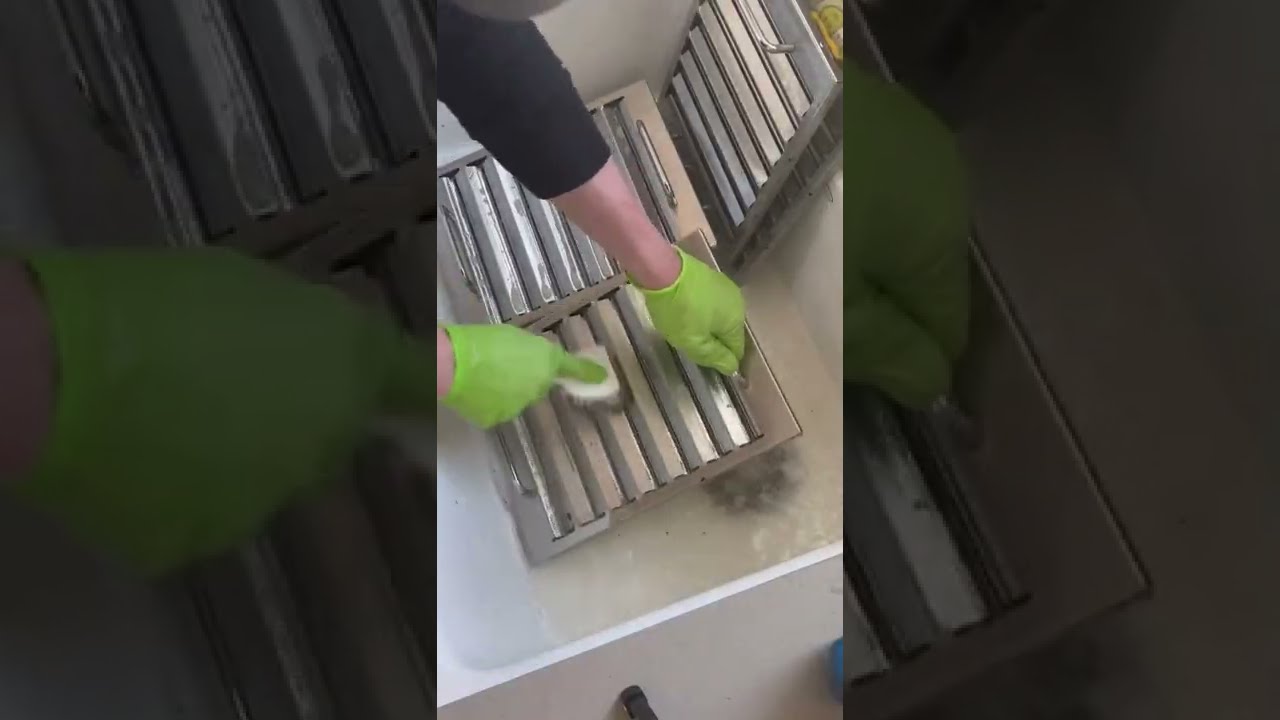
- Baking Soda and Vinegar: This classic duo is a powerhouse. The acidity of vinegar reacts with the alkali nature of baking soda, creating a fizzing action that helps lift grime. For heavily soiled filters, soaking them in a mixture of hot water, a cup of vinegar, and half a cup of baking soda overnight is highly effective. Dish Soap and Hot Water: For lighter, immediate cleanups, hot water mixed with heavy-duty degreasing dish soap (the kind designed for pots and pans) can cut through surface grease immediately. Commercial Degreasers: If the buildup is truly petrified, a dedicated commercial degreaser formulated for kitchen appliances might be necessary. Look for products that specify they are safe for metal and plastic filtration systems.
The Power of Steam and Heat
Sometimes, https://garrettilis582.almoheet-travel.com/understanding-why-is-range-hood-degreasing-crucial-for-fire-safety the best cleaning tool isn't a chemical, but physics. Creating steam—either by running a kettle or using a handheld steamer—can soften the hardened grease, making the job of scraping or scrubbing much easier.
"Cleanliness is not merely about the absence of dirt; it is about the presence of care." - Unknown
This quote perfectly summarizes the care needed when we attempt to remove stubborn grease buildup from rangehood. It’s not just about scrubbing; it’s about process.
When to Call in the Professionals
While DIY methods are fantastic, there are times when the buildup has become too deeply embedded, particularly in the exhaust ducts or the motor housing. If you find that the grime is caked into the structural components, or if the appliance is very large and complex, it might be time to call in an HVAC professional. They have the equipment and expertise to ensure the entire system is sanitized, not just the visible parts.

Manual Might: Tools and Techniques for Maximum Impact
No matter how powerful your cleaning solution is, you still need the right tools to physically remove the residue. Think of the cleaning process like a highly specialized excavation—you need the right brushes for the right materials.
Essential Tool Kit Checklist
To effectively remove stubborn grease buildup from rangehood, gather these items:
- Non-Abrasive Scrubber: Use a nylon brush or a plastic scraper. Metal scrapers can scratch delicate surfaces. Old Toothbrush: Perfect for reaching into small nooks, filter edges, and vent seams. Gloves and Eye Protection: Grease and cleaning chemicals should be treated with respect. Safety first! Vacuum Cleaner: Use the hose attachment to remove loose, crumbled debris before washing.
The Filter Deep Clean Protocol
The filters are usually the worst offenders. They are porous, and grease loves to settle deep within their mesh.
Remove and Soak: Take the filters off and soak them immediately in your chosen solution (vinegar/baking soda mix) to start the chemical breakdown process. Scrape: After soaking, use the plastic scraper or a stiff brush to gently scrape off the bulk of the sludge. Rinse and Repeat: Rinse thoroughly under hot running water. The water must be hot enough to help lift the remaining oils.Anecdote Alert: The Day I Met Grease
I remember cleaning the rangehood in my first apartment. The grease buildup was so thick, it looked like a sort of caramelized varnish. I thought I would need a chisel and a wrecking ball. It took three hours, a gallon of vinegar, and a profound realization that I was vastly underestimating the culinary power of polymerized fat. But the satisfaction of seeing that gleaming, clean metal? Priceless.
Making Your Selection Count: Maintaining Peak Performance
Cleaning is only half the battle; prevention is key. To keep your rangehood running like a finely tuned orchestra and avoid the dreaded greasy buildup, adopting smart habits is essential.
Daily Habits for Maintenance
- Wipe Down Regularly: After heavy cooking sessions (especially frying), use a damp cloth to wipe down the visible exterior and filters. Use the Hood: Don't just rely on the exhaust fan; use the built-in filtration system every time you cook. Grease Traps: If you are frying, consider placing a shallow, heat-resistant pan underneath the pan to catch drips and reduce direct splatter onto the hood itself.
The Final Polish
When you finish your cleaning project, give the whole unit a wipe down with a microfiber cloth and a little non-abrasive cleaner. This final step not only makes it shine but also helps to remove any lingering residue from the cleaning process itself.
By following these detailed steps—from understanding the chemistry of grease to implementing smart daily habits—you will not only successfully remove stubborn grease buildup from rangehood, but you will also transform your kitchen into a spotless sanctuary. Does your rangehood look like it survived a Viking feast? Don't let it be! Start with a soak, and watch the grime melt away.
